Overview Residential spider control Mississauga for homes and businesses
These pests can enter through tiny openings, track insects indoors, and settle in quiet areas such as basements, garages, attics, storage rooms, and loading areas. A few indoor spiders may be harmless, but repeated sightings, large amounts of webbing, or egg sacs often signal a more serious pest problem.
Spider Control Mississauga services help identify the species, locate entry points, clear away visible webbing, and correct the conditions that attract spiders. Residential pest control focuses on comfort and household safety. Commercial pest control must also protect customers, employees, stock, and daily operations. Mosquito Man is one company name associated with pest control services, including spider management.
How Spider Control Helps for Houses and Commercial Properties
A spider infestation seldom begins with spiders alone. Spiders hunt other insects, so recurring activity may suggest a supply of indoor pests around the property. Flies, ants, moths, and other small insects can draw spiders to warm, sheltered spaces.
Spider webs around ceilings, windows, light fixtures, and storage areas can make a property look untidy. In a home, this reduces comfort and cleanliness. On commercial premises, visible webbing can create a poor impression for visitors and staff. Food businesses, retail spaces, warehouses, and offices need a clear plan for pest activity.
Property protection also matters. Spiders may not damage structures in the same way as termites, but their presence can signal gaps, moisture problems, clutter, or insect activity. Addressing these conditions supports broader pest control goals and reduces the chance of recurring spider activity.
Professional spider control combines spider removal with practical prevention. A technician can inspect foundations, doors and windows, wall voids, storage areas, and exterior surfaces. This approach addresses the cause as well as the visible spiders.

Typical Spiders Found in Mississauga Properties
Different spider species act differently. Proper identification helps determine the best response and avoids unnecessary alarm.
Common house spiders
House spiders commonly build irregular webs in corners, window frames, basements, garages, and other quiet areas. They often feed on small flying insects. Their presence is usually a minor annoyance rather than a serious health threat, but large numbers suggest that the property provides food and hiding places.
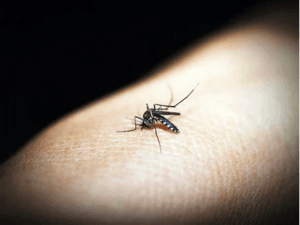
Long-legged cellar spiders
Cellar spiders have slender, lengthy legs and often appear in damp basements, crawl spaces, utility rooms, and storage areas. Their delicate webbing can extend over ceilings and corners. Moisture control, cleaning, and removal of webbing can reduce suitable harbourage.
Wolf spiders
Wolf spiders do not usually use large webs to catch prey. They hunt along floors, foundations, garages, sheds, and other low areas. Their size can cause alarm, especially when one enters a home. They generally avoid people, but repeated sightings may indicate gaps around foundations or doors.
Black widow spiders
Black widow spiders require greater care than common nuisance species. They prefer undisturbed, sheltered locations such as outdoor storage areas, wood piles, sheds, and dark cluttered spaces. Do not handle an unfamiliar spider. A trained professional can identify the species and advise on safe removal.
Outdoor spiders can move indoors through open doors, damaged screens, gaps around pipes, and other openings. Indoor spiders may also remain hidden in boxes, stored materials, and undisturbed corners. Species identification should shape the treatment plan rather than assumptions based only on size or colour.
Signs You May Need Professional Spider Control
A single spider does not always mean a property has an infestation. A repeated pattern deserves a closer look. Watch for these signs:
- Spider webs returning shortly after cleaning.
- Egg sacs found on corners, furniture, stored items, or webbing.
- Spider sightings in different rooms or work areas.
- Large spiders appearing near foundations, garages, or entrances.
- Visible entry points around doors, windows, vents, pipes, and utility lines.
- Other insects gathering near lights, windows, drains, or food storage.
- Webbing in areas that receive infrequent cleaning or inspection.
Frequent spider sightings often mean the property has a steady food supply or shelter. A property inspection can find conditions that are easy to miss, including gaps beneath doors, loose screens, moisture near foundations, and clutter against exterior walls.
Businesses should take action without delay when spiders appear in customer-facing areas, storage rooms, offices, or production zones. A documented response helps staff take consistent steps and supports workplace hygiene expectations.
How Residential Spider Control Works
A residential service should start with a detailed property inspection. The technician reviews active areas, webbing, egg sacs, likely entry points, moisture sources, lighting, and insect activity. They may also inspect basements, garages, attics, foundations, doors and windows, and exterior walls.
Next, the technician recognizes the likely spider species and assesses the level of activity. This step makes a difference because a web-building house spider may need a separate plan from a roaming wolf spider or a spider found in an undisturbed storage area.
Web removal and preparation
Web removal gets rid of visible material and helps reveal areas that need treatment. You may need to move stored items, clean corners, repair screens, or reduce clutter before service. Removing webs alone does not stop spiders if entry points and insect sources remain.
Targeted control
Targeted treatment focuses on cracks, corners, harbourage areas, and exterior surfaces where spiders travel or build webs. A technician may treat around foundations, window frames, door thresholds, vents, and other likely routes. The treatment plan should fit the species, location, and household conditions.
Follow-up treatment
Some properties need follow-up treatment because eggs may hatch after the initial visit or because spiders continue to enter from outside. A follow-up service checks activity, refreshes treatment where needed, and confirms whether prevention steps have worked.
Effective spider removal also depends on homeowner action. Keep storage off damp floors, repair screens, reduce clutter, and report new activity quickly. These steps give professional spider treatment a better chance of providing lasting results.
Spider Control for Commercial Sites and Business Properties
Businesses need a treatment schedule that fits business hours, access rules, staff needs, and customer safety. A warehouse may require attention around doors, pallets, stored materials, and loading areas. Retail spaces may need quiet treatment before opening or after closing. Offices may show activity near windows, mechanical rooms, and storage areas.
Commercial pest control should begin with an inspection and a written record of findings. The technician can identify high-risk areas, recommended actions, treatment dates, and follow-up requirements. This record helps property managers track recurring activity and show that the issue receives regular follow-up.
Integrated pest management combines inspection, sanitation, exclusion, monitoring, and carefully selected treatments. It does not rely on repeated spraying as the only response. Staff may check over here need to remove food debris, manage waste, keep doors closed, improve storage practices, and report webs or sightings.
For warehouses, focus on dock doors, exterior lighting, wall-floor joints, ceiling structures, and stored goods. Retail spaces benefit from attention around entrances, display fixtures, stockrooms, and signs. Offices may need treatment around basements, utility rooms, windows, and rarely used storage areas.
Commercial pest control also requires clear communication. Employees should know where treatment will occur, how long treated areas must remain vacant, and what activity should be reported. A practical program reduces interruptions while addressing the source of the problem.
Spider Treatment Methods and Safety Considerations
Treatment depends on the spider species, the location, the level of activity, and the presence of other pests. A licensed technician should describe the products and methods before work begins.
Applying insecticide
An insecticide may be applied to selected indoor or exterior areas where spiders travel or hide. The technician should follow the label directions, use the correct amount, and avoid unnecessary application. Chemical treatment works best with cleaning, exclusion, and moisture reduction.
Treating cracks and crevices
Crack and crevice treatment places product into narrow gaps rather than applying it broadly across open surfaces. Common locations include gaps around trim, pipe openings, wall-floor joints, window frames, and door thresholds. This method can reduce exposure while reaching likely harbourage areas.
Lower-toxicity products and safety steps
Low-toxicity products may be suitable for some situations, but the term does not mean risk-free. Follow all instructions about ventilation, re-entry times, food protection, and surface contact. Safe pest control depends on proper product choice and careful use.
Children and pets should remain outside treatment areas until the technician confirms that re-entry is allowed. Cover or remove pet bowls, toys, food, and personal items as instructed. Aquariums may need special protection. Never apply household products in a way that does not follow the label.
Ask what will be treated, why it is needed, how long the area must remain vacant, and what cleaning steps are appropriate afterward. A professional should answer these questions in simple terms.
Ways to Stop Spiders from Returning
Spider prevention starts outside the building. Examine foundations, siding, window frames, utility penetrations, vents, and door thresholds. Sealing gaps with suitable materials can reduce routes into the property. Replace damaged screens and install door sweeps where needed.
Exterior lighting can attract flying insects, which then attract spiders. Where practical, relocate lights from doors and windows or use fixtures and bulbs that draw fewer insects. Wipe light fittings and remove webs from exterior walls on a regular schedule.
Moisture control is especially useful in basements, garages, crawl spaces, and utility areas. Fix leaks, improve drainage, use ventilation, and consider a dehumidifier where damp conditions persist. Dry spaces offer fewer hiding places for spiders and fewer conditions for other insects.
Sanitation also affects spider activity. Keep food in sealed containers, remove rubbish promptly, clean spills, and reduce cardboard and clutter. Keep firewood, leaves, and unused materials away from exterior walls when possible.
- Vacuum visible webs and spiders without handling them directly.
- Keep stored items elevated above floors and away from walls.
- Cut back vegetation that touches the building.
- Shut doors quickly, especially at night.
- Inspect window screens and seals each season.
- Tell a professional about repeated activity instead of treating each sighting separately.
Choosing a Spider Control Professional
Look for a licensed pest technician who explains the inspection findings, treatment options, safety steps, and prevention work. The provider should identify whether the service covers a home, office, warehouse, retail space, or another type of property.
Ask whether the company offers a service plan for recurring activity. A one-time visit may be suitable for a small, isolated problem. Properties with regular sightings, multiple entry points, or heavy outdoor pressure may need scheduled inspections and follow-up treatment.
Check the treatment guarantee closely. Find out what it covers, how long it lasts, whether return visits have conditions, and which areas are included. A straightforward agreement prevents uncertainty about the expected service.
Customer reviews can provide helpful details about communication, punctuality, preparation instructions, and how the company handles follow-up. They should inform, not replace, questions about licensing, insurance, products, and the proposed work.
Ask for a written estimate that breaks down cost factors. These may include property size, infestation severity, number of service visits, indoor and outdoor areas, access conditions, and the need for monitoring. A reliable pest control company should not claim success without first assessing the property.
Common Questions About Spider Management
What types of spiders are common in Mississauga?
House spiders, cellar spiders, and wolf spiders are common unwanted species found around homes and businesses. Black widow spiders may occur in sheltered, undisturbed areas and require more cautious identification and removal. A professional can verify the spider instead of relying on a photograph or guess.
Are spiders in Mississauga dangerous?
Most spiders found in homes are not dangerous to people and try to avoid contact. Bites are uncommon, but unfamiliar spiders should not be handled. Black widow spiders can present greater concern, so leave suspected specimens alone and contact a licensed pest professional for advice.
How can I prevent spiders from entering my home?
Seal gaps around foundations, doors, windows, pipes, and vents. Repair screens, install door sweeps, reduce clutter, manage moisture, and remove webs. Limiting exterior lighting near entrances can also reduce the insects that bring spiders.
When should I call a spider control professional?
Call when sightings continue, webs return quickly, egg sacs appear, or spiders occur in several areas. Professional help is also wise when you see large or unfamiliar spiders, cannot locate entry points, or need treatment in a commercial property.
How much does spider control in Mississauga?
The price changes with the size of the property, how many areas are affected, species, site access, activity level, and whether return visits are necessary. Indoor and exterior service may have separate prices. Get a written estimate after a property inspection rather than relying on a general price.
Are spider control treatments safe for pets and children?
A range of treatments can be used safely when a trained technician obeys the product label and site instructions. Children and pets must be kept out of treated areas for the stated re-entry period. Cover food, toys, bowls, and aquariums as directed, and ask about airing out rooms and cleanup before service.
How soon can a local pest control company remove spiders?
A technician can often eliminate visible spiders and webbing during the first visit, depending on access and the severity of the activity. Controlling the larger issue may take longer because eggs can hatch and new spiders may enter through unsealed openings. The provider should describe the expected timeline after inspection.
Can spider infestations return after treatment?
Yes. Repeated spider activity can return when entry points remain open, outdoor insects provide food, or moisture and clutter create shelter. Follow-up treatment, sealing gaps, sanitation, exterior lighting changes, and ongoing monitoring can lower the risk of a new infestation.